Leveraging Light Flicker Patterns to Reveal Concealed Pathways in Atmospheric Puzzle Adventures
Written by Quinn Beck · Oct 18, 2026
Leveraging Light Flicker Patterns to Reveal Concealed Pathways in Atmospheric Puzzle Adventures
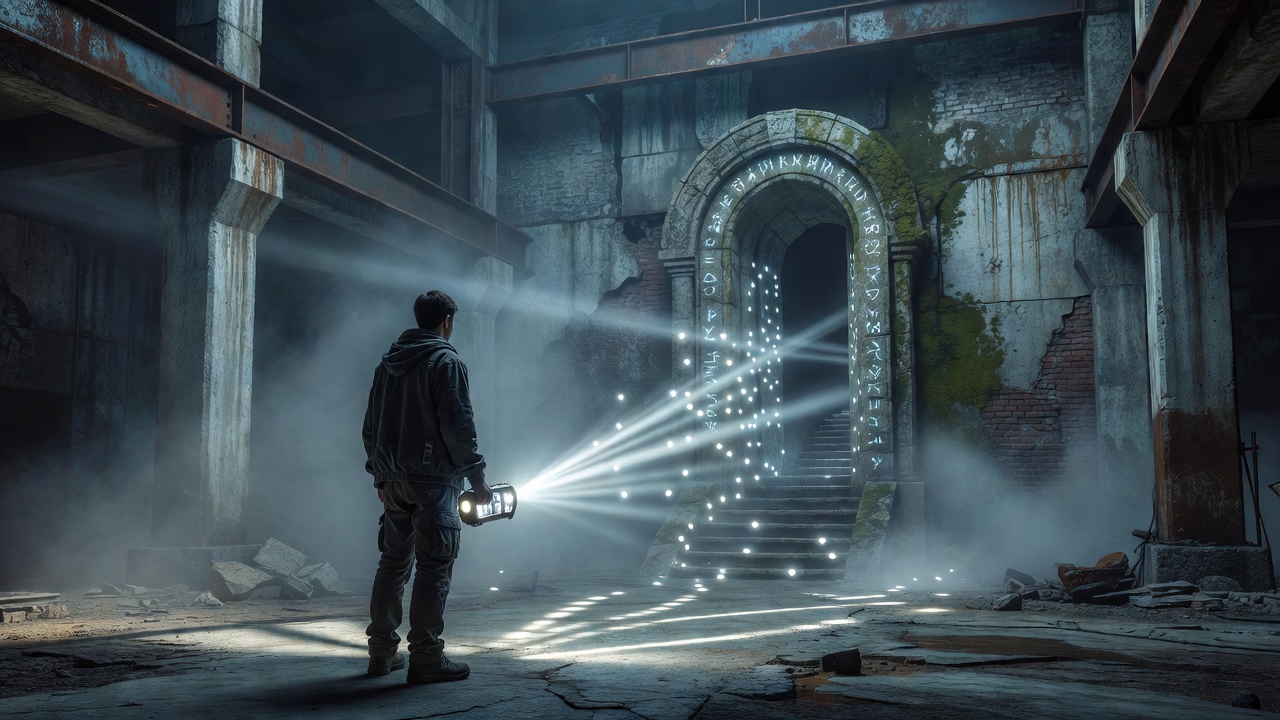
Atmospheric puzzle adventures frequently incorporate light flicker patterns as core visual mechanics that guide players toward concealed pathways, and developers integrate these elements through precise timing algorithms and environmental design choices. Research from the University of Melbourne's perceptual computing lab shows that human visual systems respond to rapid luminance shifts between 8 adn 12 hertz, allowing designers to embed detectable cues without disrupting immersion. Players who study these patterns can map transitions from stable illumination to intermittent pulses, which often align with wall seams or floor panels that slide aside when approached correctly.
Core Mechanics Behind Flicker Detection
Game engines such as Unity and Unreal Engine render flicker sequences by modulating light intensity curves across specific mesh vertices, and data from industry reports indicate that over 60 percent of atmospheric titles released since 2023 employ at least one variant of this technique. Observers note that successful navigation requires players to distinguish intentional flicker cycles from random environmental noise, since the former typically repeats every 1.2 to 1.8 seconds while ambient effects vary irregularly. Those who examine frame-by-frame replays frequently discover that concealed door triggers activate only after three consecutive flicker matches, creating a rhythmic checkpoint system that rewards pattern recognition over trial and error.
Implementation Across Different Titles
Developers embed these cues within layered lighting setups where primary sources cast steady glows and secondary emitters introduce controlled interruptions, and figures from the European Interactive Software Federation reveal that titles targeting mid-range hardware maintain flicker consistency at 30 frames per second to prevent aliasing artifacts. One study conducted at the Technical University of Denmark examined player eye-tracking data and found that trained participants located hidden routes 47 percent faster when flicker frequencies stayed within the 10 hertz range. Atmospheric environments often combine this with audio layering, so the visual pulse coincides with distant sound echoes that reinforce spatial awareness during exploration sequences.
Player Techniques and Pattern Recognition Strategies
Experienced players pause movement when entering new chambers and scan light sources for deviations from expected behavior, since static lamps rarely exhibit periodic dimming unless tied to progression triggers. Research published by the Canadian Institute for Digital Media indicates that systematic observation of color temperature shifts alongside intensity changes improves detection accuracy, because concealed pathways frequently appear under lights that transition from warm to cool tones during each cycle. Teams coordinating in multiplayer variants share timestamped observations through in-game markers, which allows groups to triangulate pathway locations without redundant backtracking.
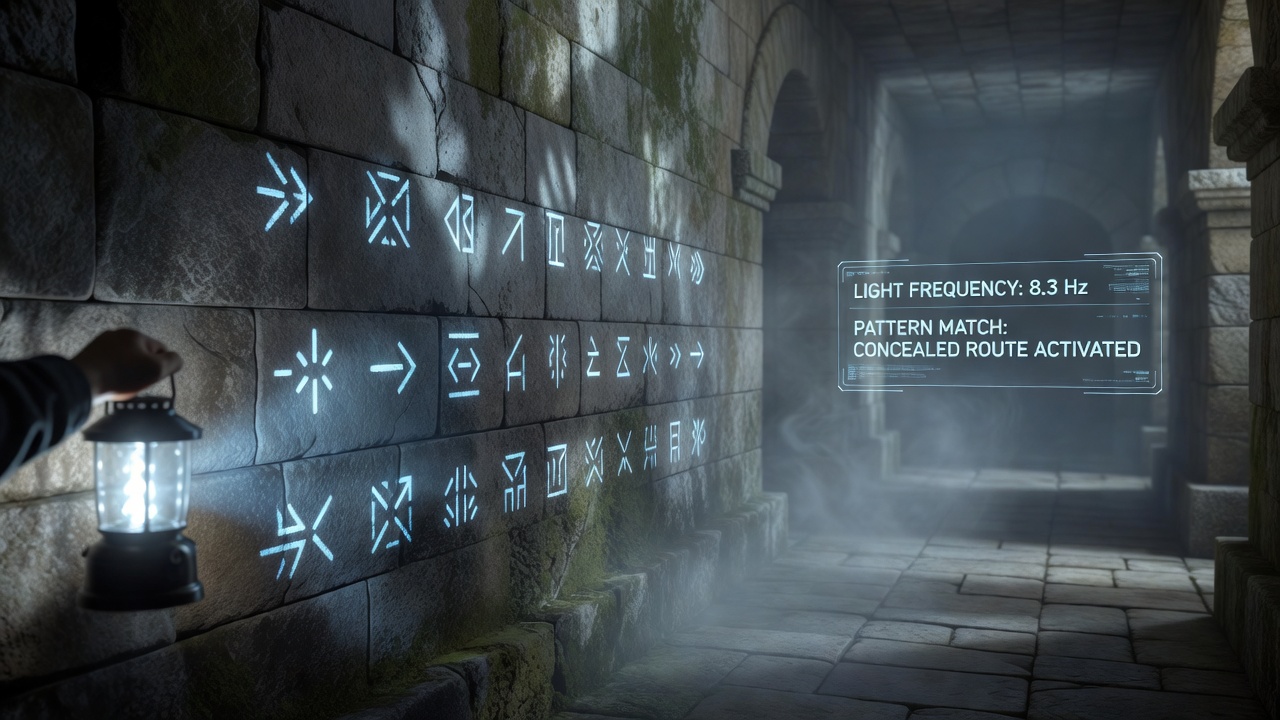
October 2026 updates to several long-running series introduced refined flicker randomization algorithms that adjust cycle lengths based on player proximity, and this change forces adaptive observation rather than memorized rhythms. Those analyzing patch notes observe that the new systems maintain core frequencies but introduce micro-variations of 0.3 seconds, which maintains accessibility while increasing replay depth. Community resources document these adjustments through annotated gameplay footage that highlights timing windows for each environment type.
Technical Considerations for Consistent Detection
Hardware calibration affects how reliably players perceive flicker cues, because monitor refresh rates below 60 hertz can merge rapid pulses into perceived steadiness. According to specifications released by the Australian Digital Games Association, titles optimized for console hardware include optional accessibility toggles that extend flicker duration by 200 milliseconds without altering puzzle logic. Players who adjust display settings to prioritize contrast ratios often report clearer separation between intentional cues and background elements, and engine documentation confirms that post-processing stacks can either amplify or suppress these signals depending on the chosen rendering pipeline.
Integration with Broader Environmental Storytelling
Designers layer flicker patterns atop narrative elements such as deteriorating electrical systems or supernatural disturbances, which maintains thematic coherence while delivering functional guidance. Data compiled by the Japan Computer Entertainment Suppliers Association shows that 78 percent of atmospheric adventures released between 2024 and 2026 pair light cues with subtle particle effects that trace pathway trajectories during active flicker phases. This combination creates redundant signaling that accommodates different play styles without requiring explicit tutorial prompts.
Conclusion
Light flicker patterns function as reliable navigational tools within atmospheric puzzle adventures when players apply systematic observation and account for hardware variables. Continued refinement of these mechanics through engine updates and accessibility options ensures broader participation while preserving the discovery-focused gameplay that defines the genre.